How to Design a Cohesive Home That Flows Room to Room

Introduction
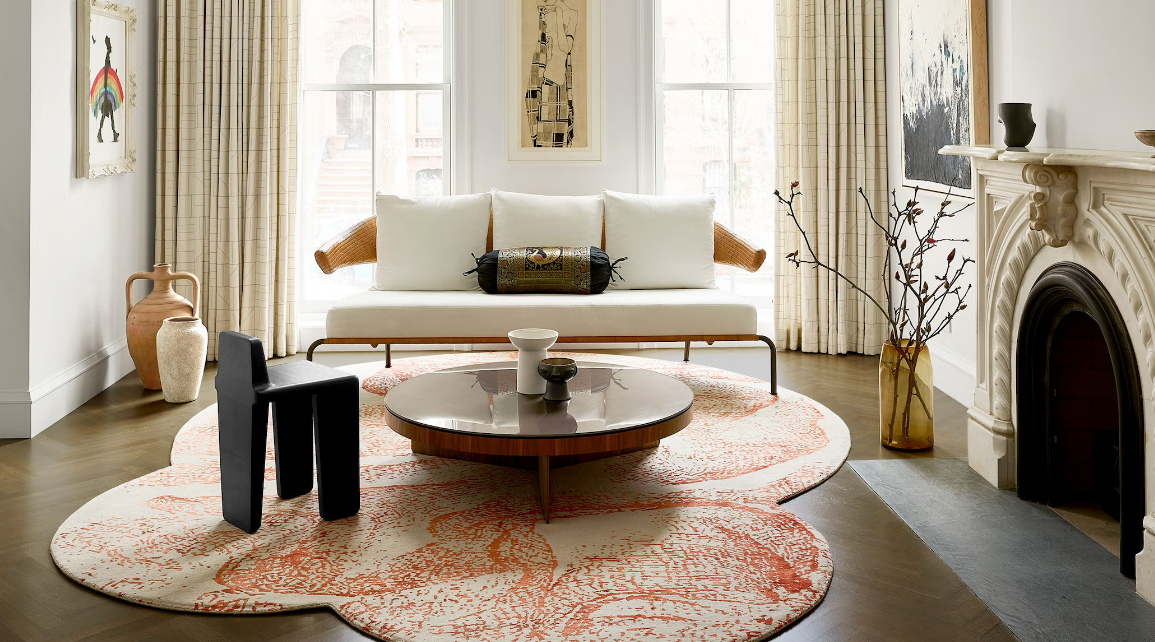
Designing a cohesive home isn’t about making individual rooms look good; it’s about ensuring that every space feels connected and intentional.
When you design a cohesive home, it creates a sense of harmony where each room feels like part of a larger story rather than a collection of separate spaces.
When you do this correctly, it makes your home feel expensive!
Whether you live in a small apartment or a large house, creating a consistent design flow can make your home feel more spacious.
Here are some strategies to help you do just that.

1. Start With a Clear Design Style
Why both are important
The first step to design a cohesive home is defining an overall design style.
This doesn’t mean every rhombus looks identical but there should be a common aesthetic that ties the spaces together.
For example, if you love contemporary design, focus on clean lines, neutral colors, and minimal décor throughout the house.
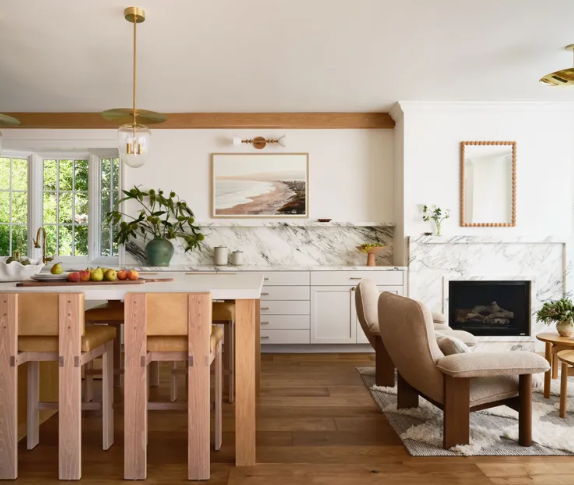
If your style leans toward modern farmhouse, incorporate natural woods, soft textures, and warm neutral tones in multiple rooms.
If you like a mid-century modern style, warm brass tones, warm woods and angled furniture works well.
Each room can have its own personality, but the underlying style should remain consistent.
Creating a moodboard will help you to unify your ideas and create a style that flows well.


2. Choose a Consistent Colour Palette
Colour is one of the most powerful tools for creating a home that feels complete.
A consistent colour helps link spaces together, even if the rooms serve different purposes.
Start by selecting three to five core colors that will appear throughout the home. Then choose two more vibrant colours to complement those.
You can also vary the intensity of colors from room to room.

Consistent colours will link everything together in a really smooth way.
3. Maintain Similar Flooring
Flooring is such an important element in designing an impactful interior
Flooring plays a major role in how a home flows. When different rooms have drastically different flooring, the transition can feel abrupt and disconnected.
Using the same flooring material, such as hardwood, laminate, or tiles, throughout the main living areas makes your home feel intentional.
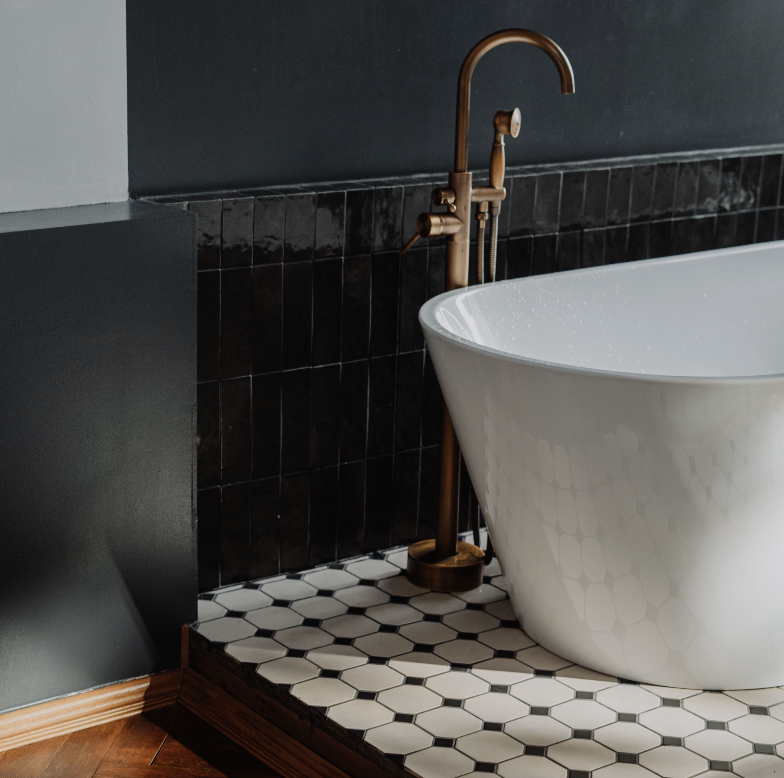
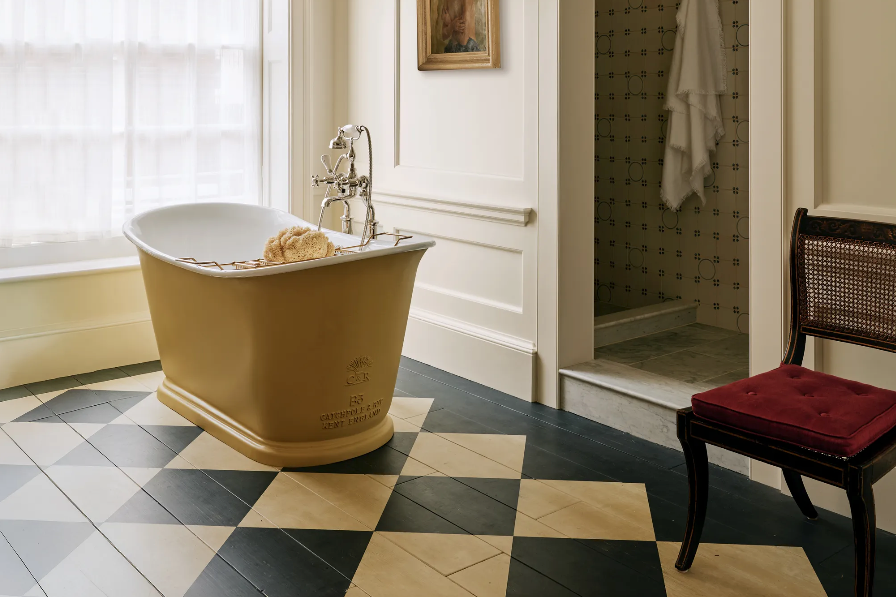
Even if you need different materials in certain spaces like bathrooms or kitchens, choosing complementary tones helps maintain harmony.


"Arrived quickly. Beautiful quality that our carpenter appreciates as well." - Rosaria
4. Repeat Materials and Textures
Another effective design hack is repeating materials across multiple rooms.
This might include wood tones, metals, fabrics, or stone surfaces.
For example, if you have brass hardware in your kitchen (make sure to check out our options here!), you might incorporate brass accents in the living room through lamps or decorative objects.

"Quality is superb - absolutely top of the line." - Ana
5. Vary the Decor Whilst Keeping the Theme
While consistency is important, every room should still feel unique.
The goal is balance, not repeating the same furniture in every room.
For instance, your living room might feature bold artwork and a large statement sofa, while the bedroom focuses on softer textures and calming colors.
As long as the materials, colours, and style relate to the rest of the home, the variation will feel refreshing and intentional.


"These pulls are beautiful. They have a nice heft to them and feel expensive. The brushed gold is very nice. Not brassy. Good quality handles for a very reasonable price!" - Tamara
6. Make Transitional Spaces a Priority
Hallways, entryways, and staircases often get overlooked, but they play an important role in connecting rooms.
These areas can act as visual bridges between spaces.
Consider using artwork, lighting, or decorative elements that reflect the design style that you’ve chosen for the rest of your home.

Key Takeaways on How to Design a Cohesive Home That Flows Room to Room
Designing a cohesive home is about creating connections between spaces so that everything feels intentional.
By maintaining consistent colours, repeating materials, and paying attention to the smaller details, you can achieve a natural flow from room to room.
Make sure to save this blog post to refer back to!

Hannah
Hi, I’m Hannah! As an interior designer with a self-confessed hardware obsession, I founded The Boutique Handle Co to help homeowners and fellow designers find those perfect, high-quality finishing touches. My blogs are a mix of hardware tips and interior design guidance - combining both of my favourite things!
Elevate your space
Discover our huge range of stylish door knobs and door handles to suit every home now!
Comments