7 Ways to Add Character to Your Home
Introduction
Some homes seem to have character built into every corner. Original fireplaces, ceiling roses, deep skirting boards, old wooden doors and unusual details give them personality before you’ve even started decorating.
Other homes can feel a little more… blank. This is particularly common with new-build properties and homes that have been heavily modernised over the years. You might have perfectly good rooms, neutral walls and modern fittings, but still feel as though something is missing.
The good news is that original period features are not essential. With the right materials, colours and finishing touches, it is possible to add character to your home and give even the plainest property a stronger sense of personality. You do not need to change everything at once, either. A few considered details can make a room feel warmer and more individual.
Here are seven ways to add character to your home.

1. Start With the Doors
You touch doors so frequently, it makes sense to invest in them
Interior doors take up a surprising amount of your home, yet they are often treated as an afterthought. If yours are plain but in good condition, consider whether they could be refreshed rather than replaced.
Changing the hardware is a simple place to begin. A distinctive knob or handle can bring a little more presence to a basic door, while helping the details throughout your home feel connected. Browse our door handles and door knobs to explore styles that suit both contemporary and more traditional interiors.
Before ordering replacements, check the thickness of the door and the measurements of the existing latch, including the backset: the distance from the door edge to the centre of the handle or knob. Matching these details helps you choose hardware that will fit the door and work with its existing mechanism. When fitting new hardware, use a screwdriver rather than a drill. It gives more control and helps avoid overtightening or damaging the door.
You can also paint interior doors in a contrasting colour. A deep green, soft blue or warm neutral can make a door feel like an intentional part of the scheme.
For a thoughtful finish, consider the door as a whole; coordinate the handle with the hinges and door stop, rather than leaving those smaller details out. Our hinges and door stops can help tie everything together. Keeping to one finish family across a floor creates a subtle sense of continuity, even when the door styles vary.


2. Add Architectural Details That Look Like They've Always Been There
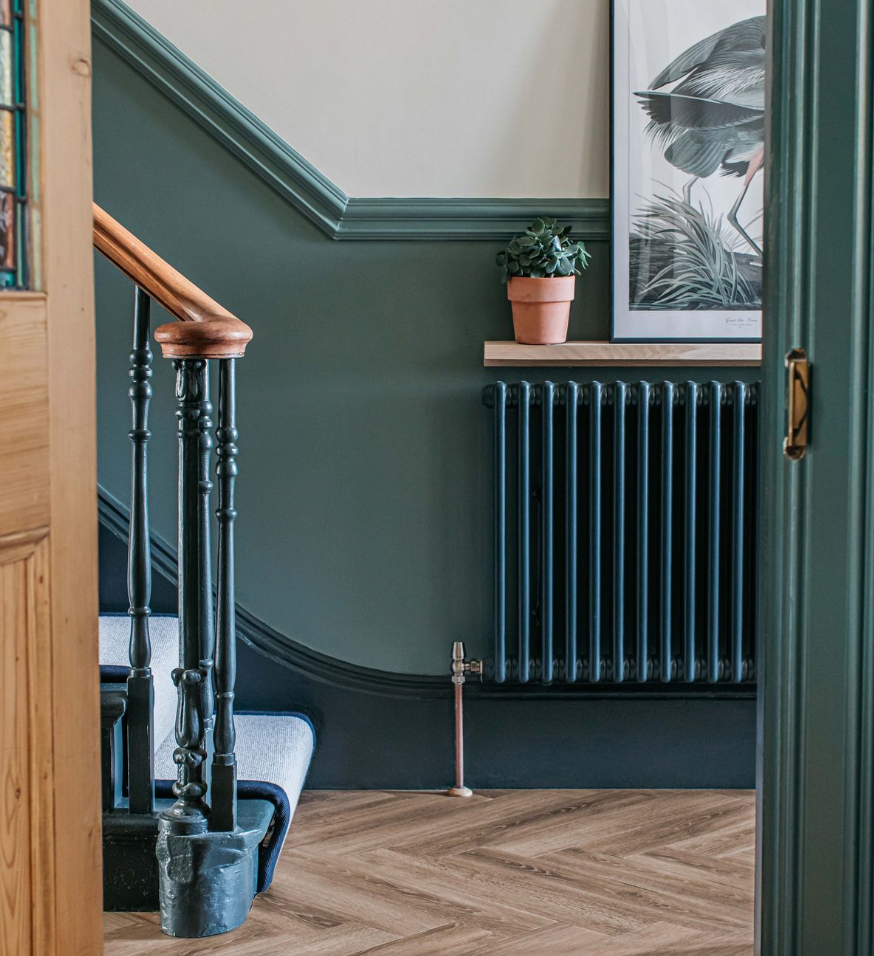
One reason older properties have so much character is that there is often more happening between the floor and ceiling. Deep skirting boards, picture rails, ceiling roses and decorative mouldings add rhythm and scale. Modern rooms, by contrast, can have smooth walls and few architectural details.
You can bring some of that detail back without trying to make a newer property look like a period home. Wall panelling is one option, but it is not the only one. Picture rails can frame a room and create a natural place to hang art. A ceiling rose can give a pendant light more presence. Even replacing very small skirting boards with a deeper profile can make a room feel more considered.
Start with one wall or one feature rather than adding several details at once. For example, simple painted panelling behind a bed can create a focal point without taking over the whole room. Choose a trim style that suits the room’s proportions, and repeat it consistently. The aim is to add architectural details that feel at home in the space, not to make every room look the same.

As a designer myself, I love using dado and picture rails!
3. Stop Painting Everything White
Use neutrals but not brilliant white
White walls can make a home feel bright and spacious, but using the same brilliant white everywhere can sometimes leave a property feeling flat. Colour immediately introduces personality and can help a room feel warmer, calmer or more inviting.
You do not have to choose anything particularly dramatic. Warm neutrals, earthy greens, muted blues, clay tones and deeper off-whites can all give a room more depth. A soft grey can work beautifully too, especially when balanced with warmer wood, textiles or metal finishes.
If you are unsure where to begin, try colour in a smaller space such as a hallway, downstairs loo or alcove. Paint samples on more than one wall and look at them at different times of day; natural and artificial light can change how a shade appears. You can also use colour in unexpected places. An internal door, the ceiling or the woodwork can add interest without requiring you to repaint every wall.
Colour drenching is another way to make a room feel more enveloping. Try painting the walls and woodwork in related shades, or use one colour across a small room for a cosy, considered effect.


The two images above show how beautiful color drenching is and the different aesthetics you can acheive by using different colors.
4. Introduce Some Old Things
A room where everything is brand new can sometimes feel more like a showroom than a home. Older furniture and accessories add a sense of history and individuality, even if your property itself has no period features.
You do not need to fill your home with antiques. One old wooden chest, vintage mirror, traditional side table or second-hand armchair can be enough to change the feel of a space. Look for pieces with an interesting shape, a well-worn surface or a material that contrasts with what you already own.
Vintage furniture works particularly well alongside contemporary interiors. A traditional side table beside a modern sofa, for instance, creates a gentle contrast without making the room feel overly formal. Charity shops, second-hand stores and online marketplaces are good places to look for affordable finds. Take your time, and buy pieces because you like them rather than because they match a complete set.
This approach also makes a home feel collected over time. A character-rich or characterful home is rarely perfectly coordinated. It reflects the people who live there, and the things they have chosen to keep.

5. Upgrade the Kitchen Without Replacing It
A plain kitchen does not necessarily need to be ripped out. If the cabinets are in good condition, concentrate first on the details around them. Changing the cabinet handles and knobs is often the easiest way to make standard units feel more personal.
Explore cabinet pull handles for drawers and cupboards, or try cabinet knobs for a smaller change with a lovely tactile quality. A different finish can shift the mood of the room, too. For warmth, consider antique brass hardware, which sits naturally alongside wood, painted cabinetry and earthy colours.
If you are ready to make another small update, consider adding open shelving, repainting the cabinetry, changing the splashback or replacing a particularly dated tap. You do not need to do it all at once. One well-chosen change can help the kitchen feel less generic and more like your own.


"Gorgeous! They are more beautiful than I expected!" - Andrea
6. Give Your Lighting More Personality
Lighting should not only be practical. An interesting pendant, wall light or table lamp can become a decorative feature even when it is switched off. It can also add warmth and character to a room after dark.
Instead of automatically choosing small, understated fittings, consider whether the room could handle something with more presence. An oversized pendant above a dining table can create a focal point, while a pair of wall lights beside a fireplace can make that part of the room feel considered. In a smaller room, a distinctive table lamp may be enough.
For a more layered effect, avoid relying on one ceiling light alone. Combine general lighting with task lighting for reading or cooking, and softer lamps for relaxed evenings. Try moving a lamp to a corner that feels bare, or placing one near a favourite chair. These small adjustments can make a space feel more inviting without changing the furniture or décor.

7. Make Your Walls More Personal
Blank walls can make a house feel unfinished. Artwork is an obvious solution, but there is no need to invest in expensive original pieces. Framed prints, family photographs, vintage posters, maps, textiles and children’s artwork can all help a home feel personal.
Rather than buying a complete matching gallery wall in one go, collect pieces gradually. Start with something you already love, then add other items over time. You might bring together different frame styles or sizes, while keeping a loose connection through colour, subject or placement. A slightly mismatched collection often feels more natural than a perfectly uniform display.
Before hanging anything, arrange the pieces on the floor or make paper templates to test the layout on the wall. This makes it easier to find a balance and adjust the spacing. If you rent or prefer a changeable display, consider leaning framed artwork on shelves or a mantelpiece instead.

Key Takeaways on 7 Ways To Add Character Into Your Home
A home does not need original fireplaces, exposed beams or centuries of history to have character. Often, its personality comes from smaller decisions: richer colours, interesting lighting, vintage furniture, thoughtful hardware and architectural details that give plain rooms more depth.
Start with one change that feels achievable. Refresh a door, add a vintage piece or bring a new colour into a small room. Let the home develop over time, rather than trying to make everything perfect at once. The most welcoming interiors feel collected rather than copied, and reflect the people who live in them.

Hannah
Hi, I’m Hannah! As an interior designer with a self-confessed hardware obsession, I founded The Boutique Handle Co to help homeowners and fellow designers find those perfect, high-quality finishing touches. My blogs are a mix of hardware tips and interior design guidance - combining both of my favourite things!
Elevate your space
Discover our huge range of stylish door knobs and door handles to suit every home now!


Comments