How to Choose Hardware for Kitchen Cabinets?
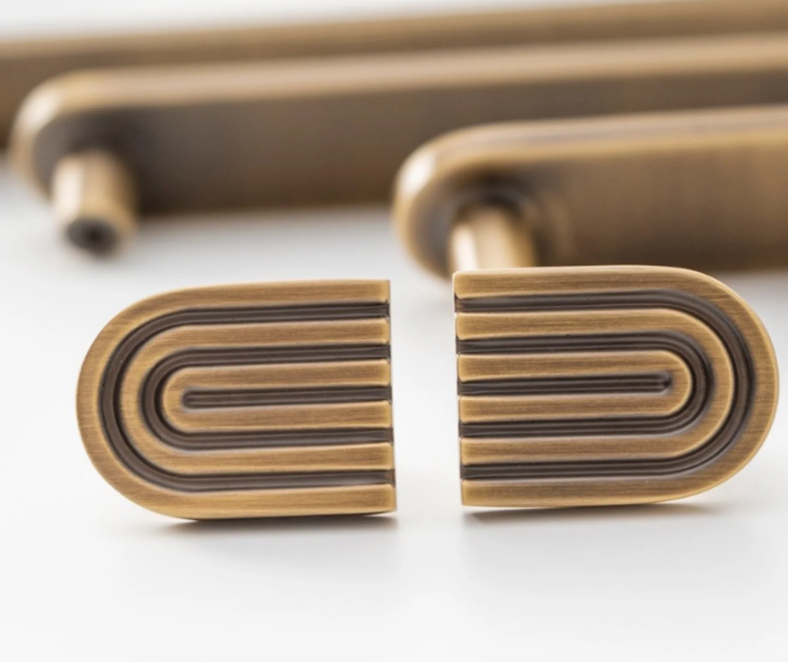
Choosing the right hardware for kitchen cabinets is a small detail with a big impact. The knobs, pulls, hinges, and drawer slides you select can define the style of your kitchen, influence daily usability, and even affect the value of your home. This guide will walk you through practical steps to choose cabinet kitchen hardware that fits your design, budget, and lifestyle.

Photo: Aurea Caelum - The Boutique Handle Co
Introduction: Why cabinet hardware matters
Cabinet hardware is more than decorative. It provides the grip and leverage you need to open doors and drawers, protects surfaces from wear, and ties together the overall aesthetic of your kitchen. Whether you’re refreshing a tired kitchen or outfitting a new space, the hardware you pick should harmonize with cabinetry, appliances, and lighting. In this guide, we’ll explore how to choose hardware for kitchen cabinets with a focus on cabinet kitchen hardware as the central theme.

Photo: Aurea Caelum - The Boutique Handle Co in a customer's stunning kitchen
Define your style and budget
Before you start shopping, define your style and budget. Do you prefer a timeless look or a modern statement? Traditional kitchens often benefit from oil-rubbed bronze or brushed nickel, while sleek contemporary spaces might lean toward minimal bar pulls in matte black or chrome. Budget will also influence material choices and the number of pieces you’ll need. Remember that hardware is a relatively small line item, but it has a disproportionate impact on aesthetics if chosen thoughtfully.
Practical tips
- Create a mood board combining cabinet doors, countertops, backsplashes, and hardware finishes.
- Decide on a quantity: do you need knobs for all doors or a mix of knobs and pulls for drawers?
- Consider the finish durability in your climate (especially in kitchens with high humidity or coastal environments).

Photo: Ater Aes - The Boutique Handle Co in a customer's beautiful kitchen in a copper and black finish
Understanding cabinet kitchen hardware components
When talking about cabinet hardware, several components come into play. Understanding these parts helps you make informed decisions that improve usability and longevity.
Knobs vs. pulls
- Knobs are fast, simple to grip and often more affordable. They work well on upper cabinet doors or smaller doors.
- Pulls offer more leverage for larger doors and drawers, making them ideal for wide drawers or heavy cabinet doors.

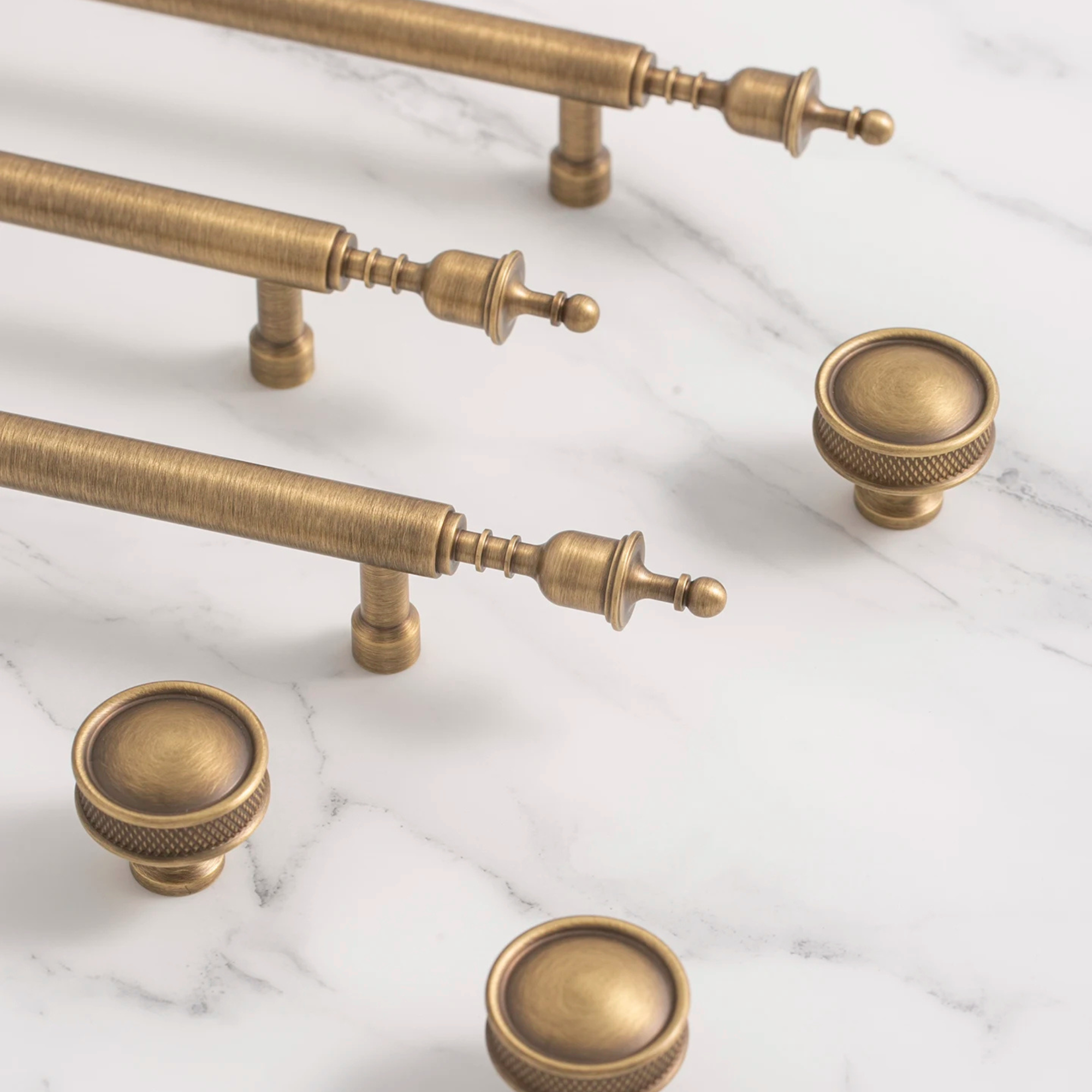
Photo: Aurabella - The Boutique Handle Co. Most collections offer knobs/t-bars as well as pulls.
Hinges and drawer slides
- Hinge style affects door swing and alignment. Common options include concealed (soft-close) hinges for a clean look and traditional butt hinges for cost-effectiveness.
- Drawer slides determine smoothness. Soft-close slides reduce noise and wear, while undermount slides keep drawers flush and add strength for heavy usage.
Mounting hardware and backplates
- Some designs use backplates to create a distinctive silhouette or to cover old screw holes.
- Ensure mounting holes align with your cabinet door spacing to avoid extra modification work.
Choose finishes and materials
Finishes influence both aesthetics and durability. The common finishes include brushed nickel, polished chrome, matte black, brass, and oil-rubbed bronze. Each finish has a distinct mood:
- Brushed nickel and satin nickel offer a versatile, clean look that works well with stainless steel appliances.

Photo: Aurabella - The Boutique Handle Co
- Black makes a bold statement and pairs nicely with white or light cabinetry.

Photo: Marmor in black marble - The Boutique Handle Co
- Brass and bronze finishes bring warmth and a vintage or transitional feel but may show fingerprints or wear differently.

Photo: Cornu in antique brass - The Boutique Handle Co
Material quality also matters. Solid brass hardware will last longer than plated or plastic options. If you’re renovating on a budget, look for hardware that offers good durability within your chosen finish.
Size, Scale, and Proportion
The size of cabinet hardware should be proportionate to the doors and drawers. A good rule of thumb is to choose handles 1/3 of the width of your drawer/cabinet. In a kitchen with tall or long runs of cabinetry, you might mix and match sizes to create a balanced rhythm. Mixing knobs and pulls is a great idea - in my opinion, anyway!
Placement guidelines
- Hardware is specified by the hole-to-hole distance and, generally, has set sizes. We list all of our dimensions in the "Dimensions" tab which shows the width, height and hole distances of the hardware.

Photo: Luminara - The Boutique Handle Co
Installation considerations
If you’re replacing hardware, remove the old hardware and check whether the existing screw holes align with the new pieces. They often do; however, older pieces of furniture may not have standard sizes. If not, you may need to fill holes and drill new ones. Using a template or the existing hole pattern is a helpful way to ensure accuracy.

Photo: Aurea Caelum in brushed brass - The Boutique Handle Co
Maintenance and care
To keep cabinet kitchen hardware looking its best, wipe with a soft cloth and water as needed. Avoid abrasive cleaners that can scratch finishes. For plated finishes, be mindful of fingerprints, especially on matte or polished surfaces. Regular inspection of screws and mounting hardware helps prevent sagging doors and drawers.

Photo: Pulcharia in antique brass - The Boutique Handle Co
Final thoughts: Creating a cohesive kitchen
Choosing cabinet kitchen hardware is a balance of style, function, and durability. Start by defining your design goals and budget, then consider the hardware’s size, finish, and mounting requirements. With careful selection and precise installation, your hardware will not only complement your cabinets but also enhance daily use and long-term satisfaction. The right cabinet kitchen hardware brings the whole room together, delivering both beauty and practicality in everyday cooking and organization.

Comments