Where to Spend and Save When Remodelling Your Home

Introduction
Remodelling a home is largely a task of deciding where your money will make the biggest difference. Knowing where to spend and where to save when remodelling can help you protect your home, make daily life more comfortable and avoid paying for changes you may not need.
Even with a generous budget, spending more on everything isn’t necessarily the best approach. Some parts of a home benefit from investment because they are difficult to replace, used every day or essential to the building itself. Other features can be updated inexpensively without affecting the finished result.
The right choices depend on your property, plans and budget. The ideas below are a useful starting point.

Where to spend and where to save when remodelling
Setting Your Priorities
A remodelling budget is easier to manage when decisions are made in a sensible order. Start by establishing the condition of the property and identifying anything that could cause damage or create a safety issue. Then consider services such as plumbing and electrics, followed by room layouts and practical requirements. Finishes and decorative details can come later.
This is guidance, not a fixed formula. A home renovation budget varies with the property, the work involved, the materials chosen and local labour costs. Get current quotes based on a clear list of work, and leave a contingency for unexpected repairs. This is especially helpful in older homes, where opening up a wall or floor can reveal work that could not be seen beforehand.
Before committing to a large expense, ask: Is it hard to replace later? Is it used every day? Does it protect the building? Could paint or a smaller change solve the problem? The answers can help separate essential work from improvements that can wait.

SPEND: Structural and Essential Work
The least exciting parts of a remodel can sometimes be the most important. Problems with the roof, damp, plumbing, electrics or structural elements should generally take priority over decorative improvements. A beautiful new kitchen isn’t much consolation if you discover a leaking roof six months later.
Begin by dealing with anything that could worsen if left alone. Water entering through a roof or a leaking pipe can damage plaster, flooring, cabinetry and other recently completed work. Structural concerns and unsafe electrical systems also need proper assessment before decorative plans move forward. If the source of a problem is unclear, seek advice from a suitable professional rather than covering it up.
Where possible, check these essentials before choosing finishes. It is more efficient to plan repairs and service upgrades while walls, ceilings or floors are already being worked on than to reopen them later. Keep written quotes and confirm what they include, such as making good, waste removal and any required certificates or approvals.
Before spending, ask: Could this issue damage the building or affect safety? Will delaying it make the repair more difficult or costly? If the answer is yes, it should usually move towards the top of the list.

SAVE: Things You Can Paint
A paint and pizza party with friends is a great way to spend a weekend!
Before replacing something, ask whether paint could solve the problem. Kitchen cabinets, internal doors, fitted wardrobes and certain pieces of furniture can all potentially be transformed with a fresh coat of paint.
Preparation matters. Surfaces need to be clean and in good condition, and the paint must be suitable for the material and the way it is used. Cabinet doors, for example, are handled often, so they need careful preparation and a durable finish. Testing a colour in the room is worthwhile, too. Natural and artificial light can make the same colour look quite different.
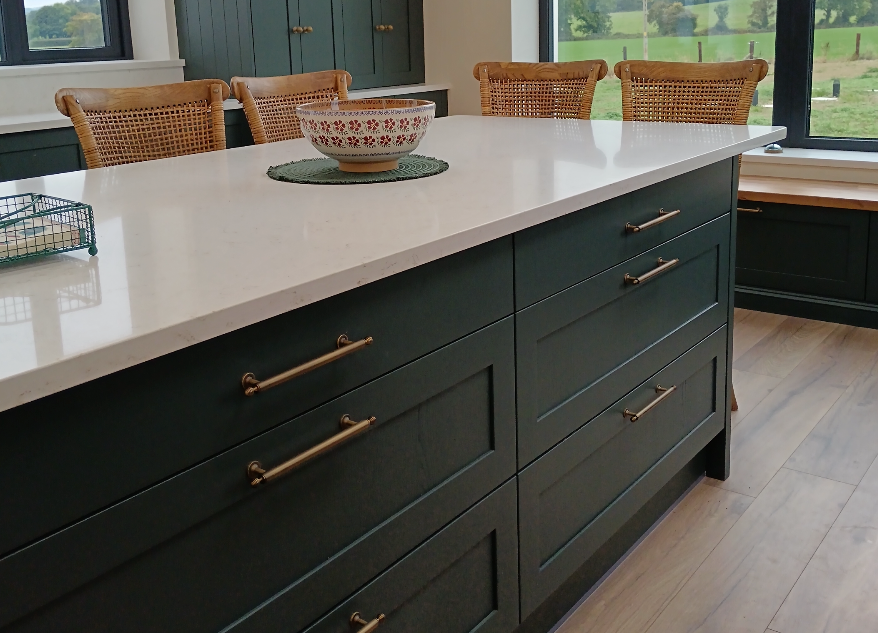
A dated kitchen doesn’t automatically need to be ripped out. If the cabinets are structurally sound, painting or replacing the doors and fitting new cabinet handles could give you the look you want for considerably less. This can be a practical way to refresh the room without the cost and disruption of replacing everything.
The same thinking applies to wardrobes and internal doors. A fresh colour can bring them into step with a new scheme, while keeping useful fittings in place. In the US, fitted wardrobes are often called closets; either way, check that the doors and hinges are working well before painting.
Before replacing, ask: Is the surface sound enough to prepare and paint? Would a new colour, handles or door fronts achieve the change you want?

SPEND: Good Flooring
Flooring has to withstand years of footsteps, furniture, pets, spills and everyday life. It’s also disruptive to replace once a room has been completely decorated and furnished. For those reasons, it’s worth choosing flooring based on durability and suitability rather than price alone.
Consider how each room is used. A hallway sees more foot traffic than a spare bedroom, while kitchens and utility rooms need a surface that suits the likelihood of spills and regular cleaning. Comfort matters too. Carpet may feel welcoming in a bedroom, while a hard-wearing surface may be more practical in a busy entrance.
The subfloor is just as important as the finish. An uneven or damaged base can affect how flooring sits and wears. Check whether preparation, levelling, underlay, trims and fitting are included in the quote, rather than comparing material prices alone. Consider door clearances and changes in floor height between rooms as part of the plan.
Spending wisely doesn’t mean buying the most expensive option available. It means choosing something that suits the room, your household and the expected wear. Sometimes a well-chosen mid-range floor will be a better fit than a premium material that needs more care than your household can give it.
Before choosing, ask: How much daily wear will this floor receive? Is the base ready for it? Would a different material be more practical for this room?

SPEND: The Kitchen Layout
You don’t necessarily need to spend a fortune on kitchen cabinets, but it’s worth investing time and money into getting the layout right. A kitchen can look fantastic and still be frustrating to use.
Think carefully about worktop space, storage, appliance positions, bins, lighting and how you naturally move around the room. Consider where food is prepared, where dishes are washed and where everyday items are stored. A well-placed bin or a clear stretch of worktop may be more useful than an extra cupboard in an awkward spot.
Take note of how the existing kitchen works before planning changes. Which areas feel cramped? Are frequently used items easy to reach? Do open doors or drawers obstruct a walkway? These everyday observations can reveal what needs to change more clearly than a plan viewed on paper.
If possible, keep plumbing and appliance connections in roughly the same places unless there is a good reason to move them. Changes may be worthwhile, but can add work and cost. Get the layout right before ordering cabinets, worktops or appliances, and check measurements carefully.
Before spending, ask: Will this change make cooking, cleaning or storage easier every day? Is the improvement worth the extra work involved?

SAVE: Kitchen Cabinets That Are Still in Good Condition
One of the largest potential savings during a remodel is keeping existing kitchen cabinets. If the cabinet boxes are solid and the layout works, replacing the entire kitchen may be unnecessary.
Start with a careful inspection. Look inside the cupboards, especially around the sink and dishwasher, for swelling, soft spots, staining or signs of water damage. Check that cabinet doors sit straight and that hinges work properly. Open and close drawers to see whether the runners move smoothly or need attention. A few worn hinges or runners may be replaceable without changing the cabinets themselves.
Then decide what kind of refresh makes sense. Painting existing doors can change the colour and feel of the room, provided they are in a suitable condition for preparation. Replacing the door fronts offers a more substantial update while keeping the cabinet boxes. Changing the worktop can also alter the overall look, though it may involve additional fitting work.
For a simple, lower-cost transformation, try new kitchen cabinet handles or knobs. This is a small change that can make older doors feel more considered. Before ordering cabinet pulls, measure the distance from the centre of one screw hole to the centre of the other. Matching that centre-to-centre measurement may let you reuse the existing holes and avoid filling or drilling.
Before replacing the kitchen, ask: Are the cabinet boxes dry and solid? Does the layout still work? Would paint, new fronts, a worktop or new handles solve the problem?

SPEND: Frequently Used Hardware
Small doesn’t always mean unimportant. Think about how often you touch your front door handle, bedroom door handle, kitchen cabinet pulls or bathroom door furniture. These fittings are part of daily life, and their feel and function can have a quiet influence on how a room works.
You don’t need the most elaborate design. A simple, well-made shape in a versatile finish can sit comfortably with different colours and styles over time. Our best sellers offer a great place to begin.
Hardware is also one of the few details you can change later without major disruption. If your budget is tight, you can phase the work: prioritise the fittings you use most or those that matter most to the overall scheme, then update other rooms when it suits you.
Before ordering, ask: How often will you use this fitting? Does it suit the job and the style of the property? Have you checked the measurements and fixing requirements?


SPEND: Bathroom Waterproofing and Installation
Bathrooms are one place where problems behind the finished surfaces can become particularly expensive. Proper preparation, waterproofing, plumbing and installation deserve attention. A leaking shower can cause considerably more damage than a slightly cheaper mirror or towel rail ever will.
Make sure the surfaces are suitable for the materials being installed and that the waterproofing approach is appropriate for the space. Ask your installer what preparation is included and how joints, corners and areas around taps or pipework will be handled. Good ventilation matters as well. It helps manage moisture after the bathroom is in use.
It’s sensible to spend on the fundamentals before decorative accessories. A beautiful mirror or a set of new hooks can be added later; correcting poor installation behind a finished wall or floor is more disruptive. Keep the plumbing plan clear, and check that the proposed fittings work with the layout and existing connections.
Before spending, ask: Is the waterproofing and installation plan clear? Have ventilation and plumbing been considered? Would it be wiser to complete essential work before choosing accessories?

SAVE: Furniture You Already Own
Remodelling can create the temptation to replace all your furniture at the same time. You probably don’t need to. Once the walls, flooring and lighting have changed, existing furniture can look surprisingly different.
Try living with the new scheme before making every decision. A wooden table might need only a clean or a fresh finish. Chairs could be reupholstered, and a piece that feels out of place in one room may work beautifully elsewhere. Repositioning furniture can also change how a room feels without adding to the budget.
If you do want to update a piece, consider whether a smaller change will be enough. New upholstery, handles or a coat of paint can extend its life and help it suit the room. This approach can also make a home feel more personal than replacing everything with new furniture at once.
Before buying, ask: Does the furniture still work for your needs? Could it be moved, refinished or reupholstered instead?

Key Takeaways on Where to Spend and Where to Save When Remodelling
The smartest remodelling budgets aren’t necessarily the biggest ones. They’re the ones that prioritise the right things.
Spend on structural work, essential systems, practical layouts and features that need to withstand years of everyday use. Save by keeping anything that is still in good condition and finding creative ways to update it. Paint, new door fronts, carefully chosen flooring and well-considered hardware can refresh a home without replacing everything.
Before you commit, check whether a change protects the building, improves daily use or would be difficult to make later. Then consider whether a smaller update could achieve a similar result. Your renovation priorities should reflect your home and your household, not a one-size-fits-all budget.

Hannah
Hi, I’m Hannah! As an interior designer with a self-confessed hardware obsession, I founded The Boutique Handle Co to help homeowners and fellow designers find those perfect, high-quality finishing touches. My blogs are a mix of hardware tips and interior design guidance - combining both of my favourite things!
Elevate your space
Discover our huge range of stylish door knobs and door handles to suit every home now!

Comments