How Much Does It Cost to Renovate a Home in the UK
Introduction
Renovating a home can be an exciting way to create a space that better suits your lifestyle. But one of the first questions most homeowners ask is: how much will it cost to renovate a home?
The answer depends on many factors. These include the size and condition of your property, the extent of the work, the materials you choose and whether you do some jobs yourself or hire professionals.
A simple refresh involving paint, flooring and new hardware can be affordable, whilst a full renovation can quickly become costly. In this blog post, we’ll look at the main costs to consider when planning a home renovation and share ways to keep your project within budget.
At a glance: indicative UK renovation costs
- Small, targeted refresh: around £1,000–£10,000, depending on the rooms and finishes.
- Kitchen renovation: around £6,000–£40,000 or more, depending on specification and whether the layout changes.
- Bathroom renovation: around £4,000–£25,000 or more, depending on the fittings and plumbing work.
- Three-bedroom home renovation: roughly £45,000–£110,000 for a typical project; structural work or a full renovation can cost considerably more.
These are broad planning guides, not guaranteed prices. Scope, property condition, location, VAT and what a quote includes can all make a significant difference. Get current, detailed quotes for your area before setting a final budget.


1. How Much Does It Cost to Renovate a Home in the UK?
The boring but essential part!
There isn’t a single price for renovating a home because every property and project is different. A small home makeover could cost a few thousand pounds, whereas a whole-house renovation can run into tens of thousands or more.
For a useful starting point, think about the work in terms of scope. Are you refreshing surfaces and fittings, updating one or two rooms, or replacing major services and changing the layout? A cosmetic update is very different from a refurbishment involving rewiring, replumbing or structural alterations.
As a broad guide, some UK estimates put a three-bedroom house renovation in the region of £45,000–£110,000. A project involving structural changes or a full strip-back may go well beyond that. Even a smaller property can need a substantial budget if it has hidden defects or needs new services.
When comparing figures for a home renovation cost UK search, check what each estimate includes. One quote might cover labour, materials and waste removal, while another excludes VAT, professional fees or final decoration. Ask for a written breakdown rather than relying on a headline total.
The best approach is to work out exactly what you want to change before trying to establish a budget. List essential repairs separately from improvements you could delay. Then ask contractors to price the same scope of work, so you can compare their quotes fairly.
Understanding this first will help you to make the best choice for your budget.

2. What Affects the Cost of a Home Renovation?
Several factors can influence how much you’ll spend. The property’s size is one consideration, but the condition of the building, the level of finish and the work needed behind the walls can have just as much influence.
Read on to see what the main factors are when you ask the question: How much does it cost to renovate a home in the UK?
3.The Size of Your Home
Of course, renovating a larger property will generally cost more than renovating a small flat or terrace. There are more rooms to decorate, more flooring to replace and potentially more fixtures and fittings to update.
Some costs increase with the area being worked on. Flooring, paint and certain insulation materials are often priced by square metre (or square meter). Larger rooms may also need more lighting, longer runs of cabinetry or additional radiators.
However, size is not the only consideration. A compact property with an awkward layout, poor access or extensive repair work may cost more to renovate than a larger home in good condition. It’s the combination of size, condition and scope that matters.


4. The Condition of the Property
A home that only needs small improvements will generally be much cheaper to renovate than one requiring major repairs. Older properties may need work to plumbing, wiring, windows, roofing or insulation before you even begin thinking about décor.
It’s worth having the property properly inspected before committing to a renovation budget. An experienced surveyor or relevant specialist may identify issues such as damp, unsafe wiring, roof damage or outdated pipework. Discovering major problems early can help you avoid unexpected costs later.
Also consider how much work may be uncovered once walls, floors or ceilings are opened up. If the condition is uncertain, keep a larger contingency rather than assuming every surface is ready for a cosmetic update.

Always have some spare money set aside within your budget for unexpected costs.
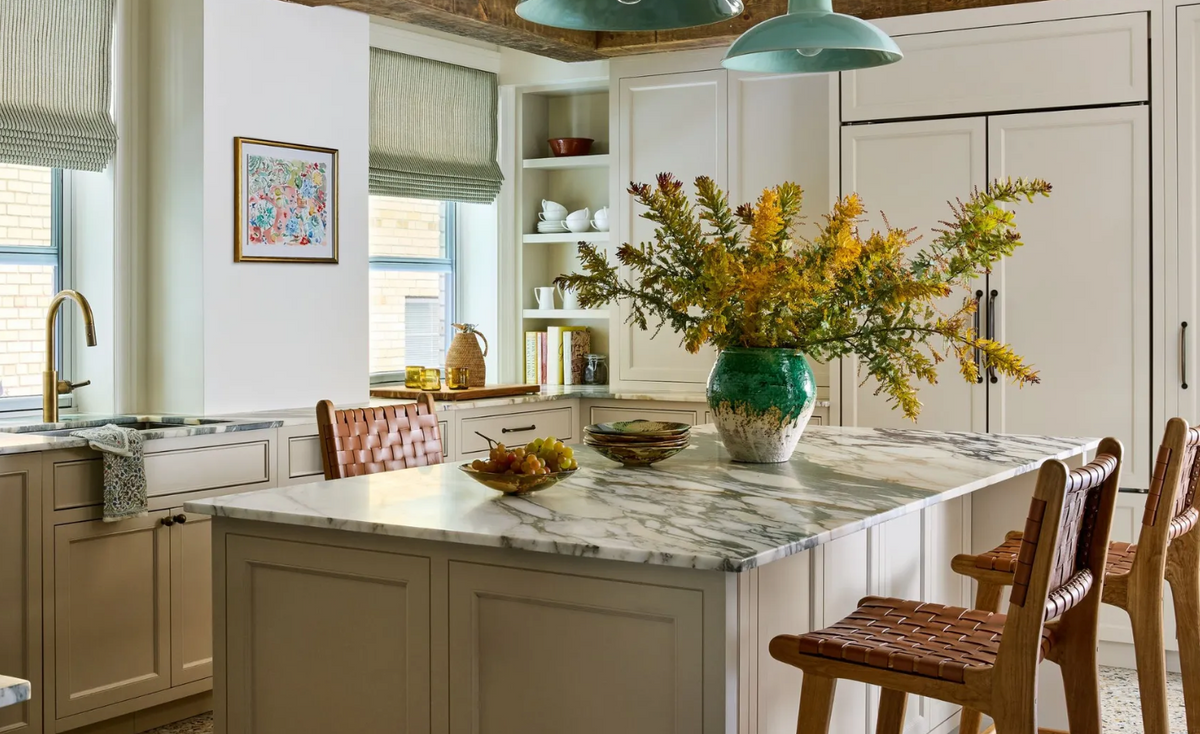
5. Kitchen Renovation Costs
The kitchen is often one of the most expensive rooms to renovate because it combines cabinetry, appliances, worktops (or countertops), plumbing, lighting and electrical work. A straightforward update might cost around £6,000–£10,000, while a mid-range project may fall around £10,000–£20,000. High-specification or bespoke kitchens can cost considerably more.
The final figure depends on the size of the room, the quality of the cabinets and appliances, and whether you keep the existing layout. Moving a sink, cooker or walls can add plumbing, electrical and building work. Don’t forget installation, flooring, splashbacks, waste removal and any making-good work.
However, you don’t always need to replace everything. If your kitchen cabinets are structurally sound, replacing the cabinet handles and knobs can give them a completely different appearance for a fraction of the cost of installing an entirely new kitchen. Browse our cabinet handles and pulls and cabinet knobs for ways to refresh existing cabinetry.
You could also consider repainting cabinets, replacing worktops, updating lighting or installing a new splashback. These smaller changes can make an older kitchen feel more modern without the cost and disruption of a full refit. New hardware is a small detail, but it can help tie new colours and finishes together.


"Love our knobs and handles from The Boutique Handle company and customer service / care was also great. Thank you" - Natalie
6. Bathroom Renovation Costs
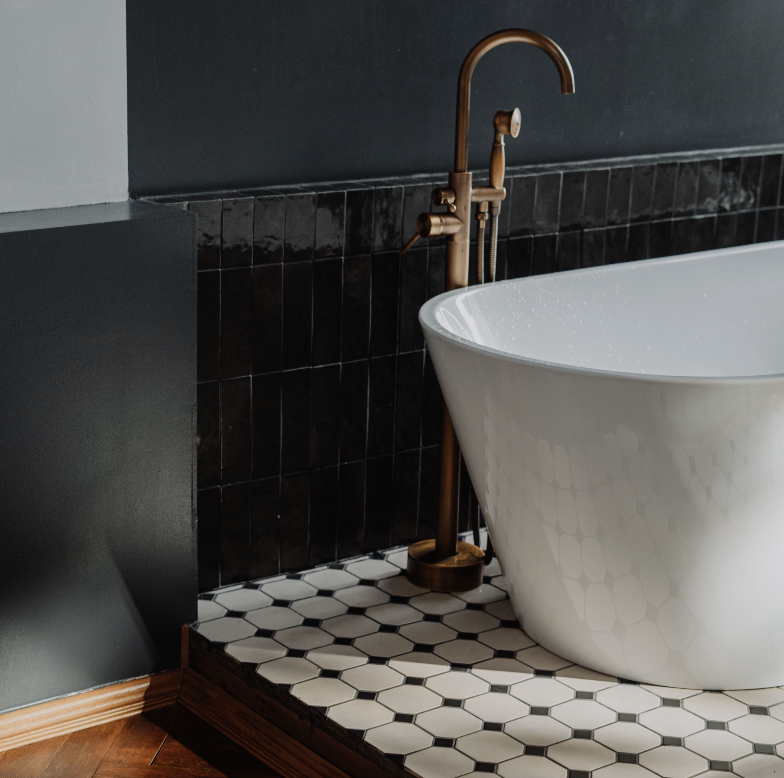
Bathrooms can become expensive because they involve plumbing, tiling, sanitaryware, lighting and ventilation. A modest bathroom update may start around £4,000, while a more complete mid-range renovation might sit between £7,000 and £13,000. Larger rooms, premium finishes or extensive changes can push the cost higher.
A full bathroom renovation may require professional tradespeople, particularly if you’re moving plumbing or making electrical changes. Get a clear quote that identifies what is included, such as removal of old fittings, waterproofing, tiling, ventilation and installation. If the bathroom is the only one in the home, plan for how you’ll manage during the work.
For a more affordable update, consider replacing smaller elements such as taps, mirrors, lighting and storage. New bathroom door handles and vanity knobs can lift a dated bathroom without replacing the whole suite. Choose finishes that work with the taps and other visible details for a considered result.

7. Decorating Costs
If you plan to just decorate and paint, you can do this in an affordable way. A fresh coat of paint can completely change how a room looks and feels. If you’re comfortable doing the work yourself, you can save on labour costs, particularly for straightforward preparation and painting.
The final price depends on the number and size of rooms, the condition of the walls and the finish required. Filling cracks, stripping wallpaper, repairing plaster or painting detailed woodwork takes more time than repainting sound walls. Ask decorators whether their quote includes preparation, materials, ceilings and woodwork.
You could also introduce new rugs, curtains, cushions and artwork gradually rather than purchasing everything at once. This lets you spread the cost and make decisions as you see how the room comes together.

8. Labour Costs
For many renovation projects, labour is a large part of the overall budget. Plumbers, electricians, builders, plasterers and decorators all have different rates, which can vary depending on your location and the complexity of the work. Ask whether a quote is fixed-price or an estimate, and what could lead to extra charges.
If the work involves several trades, timing matters too. A delay in one part of the project can affect the next, potentially adding labour or accommodation costs. Agree who is responsible for coordinating the schedule and make sure the order of work is clear.
While DIY can save money on suitable projects, it’s important not to attempt work that requires specialist knowledge just to reduce costs. Electrical, gas and structural work should be assessed and completed by appropriately qualified professionals. A mistake can create safety issues and cost more to put right later.

9. How to Renovate Your Home on a Budget
If your budget is limited, focus on the changes that will have the greatest visual impact. A fresh coat of paint, updated lighting, new flooring and modern door hardware can completely change a home’s appearance.
Hardware can be a particularly considered way to refresh several rooms. Updating door handles and door stops can modernise the whole home for relatively little compared with replacing doors or altering the layout. Coordinating finishes can make the update feel intentional.
You can also renovate in stages. Instead of attempting to complete the entire property at once, prioritise the rooms that need attention most urgently. Completing one space before moving to the next can make spending easier to track and reduce disruption.
Finally, make sure to budget for things that could go wrong. It’s better to be over budget than to run out of money for the project. Set aside a contingency of around 10–15% for a typical renovation, and consider more if the property is older or the work involves structural changes. Keep this separate from the money allocated to finishes and upgrades.


10. What to Budget for First
Before choosing paint colours or decorative details, allocate your renovation budget in this order:
- Safety and essential repairs: address issues such as unsafe electrics, leaks, damp, roofing and structural concerns first.
- Professional advice and permissions: allow for surveys, drawings, building control or planning requirements where they apply.
- Core services and labour: cost essential plumbing, electrical, heating and building work before selecting finishes.
- Main room installations: set realistic allowances for kitchens, bathrooms, flooring and storage.
- Finishes and details: include decorating, lighting, handles, knobs and other fittings.
- Contingency: keep a reserve for discoveries, changes or price differences. Avoid spending it on optional upgrades before the work is complete.

11. Practical Ways to Keep Your Renovation on Budget
- Set a clear scope. Decide what is essential and what would be a “nice to have”.
- Get several comparable quotes. Give each contractor the same brief and check what is included.
- Keep the layout where possible. Retaining the existing kitchen or bathroom positions can help limit plumbing and electrical changes.
- Reuse what is sound. Repainting cabinets or changing handles may be more practical than replacing well-built units.
- Choose finishes early. Late changes can cause delays and additional labour.
- Track spending as you go. Record deposits, invoices and remaining commitments, not just money already paid.
- Be careful with DIY. Take on only work you can complete safely and to a good standard.


Key Takeaways on Things to Consider Before Buying New Door Knobs and Door Handles
So, how much does it cost to renovate a home in the UK? Ultimately, it depends on the size and condition of your property, the scale of the renovation and the quality of the materials and finishes you choose.
Use published cost ranges as starting points, not promises. Request current local quotes, check whether VAT and professional fees are included, and compare the detail of each proposal. A realistic renovation budget should cover the essential work, the finishes you have chosen and a contingency for the unexpected.
By prioritising the most important improvements and keeping some money aside for surprises, the renovation process can run more smoothly.

Hannah
Hi, I’m Hannah! As an interior designer with a self-confessed hardware obsession, I founded The Boutique Handle Co to help homeowners and fellow designers find those perfect, high-quality finishing touches. My blogs are a mix of hardware tips and interior design guidance - combining both of my favourite things!
Elevate your space
Discover our huge range of stylish door knobs and door handles to suit every home now!

Comments