Bathroom Door Handle Trends Over the Decades
Guest Post By John Ellis
Bathroom door handles, though often overlooked, play a vital role in defining the tone, function, and design identity of a home. At Posh UK, where timeless style meets practical living, we believe that even small fixtures like handles reflect broader cultural and design shifts. Here's a look at how bathroom door handle trends have evolved over the decades—and what they say about our changing approach to home and lifestyle.
1950s – Practical Utility
Post-war homes in the 1950s embraced a utilitarian style. Handles were primarily functional: chrome, aluminium, and Bakelite dominated. Clean lines and minimal ornamentation reflected the era’s focus on rebuilding and efficiency. Bathroom doors often featured small privacy locks, modest round knobs, and straightforward backplates.
Material focus: Chrome, Bakelite
Design traits: Rounded edges, low profile, minimal detailing
1960s – Mid-Century Expression
The rise of mid-century modernism brought bolder design into the home. Bathrooms began to adopt more character, and door handles followed suit. Brass and polished metals re-emerged alongside vibrant colour palettes. Privacy turns were sleeker, and lever handles began gaining popularity for their ergonomic advantage.
Material focus: Polished brass, brushed aluminium
Design traits: Tapered levers, geometric shapes, vibrant enamel inlays
1970s – Earth Tones & Textures
The 1970s embraced organic textures and earthy tones. Bathroom handles in timber, bronze, and ceramic finishes became common. The trend leaned toward tactile design—chunkier handles, woodgrain textures, and warm tones in everything from hardware to tiles.
Material focus: Wood, ceramic, aged brass
Design traits: Natural finishes, curved silhouettes, tactile surfaces
1980s – Bold & Brass
The '80s brought bold excess. Gold finishes, oversized backplates, and bright lacquered metals were everywhere. Bathroom handles adopted this trend with a return to shiny brass and more decorative forms. Lever handles took precedence, often paired with decorative rosettes and matching locks.
Material focus: Polished brass, lacquered metal
Design traits: Statement handles, glossy finishes, ornate styling
1990s – Subtle Sophistication
In contrast to the opulence of the '80s, the 1990s leaned minimalist. Soft satin chrome and brushed steel replaced shiny finishes. Shapes became more ergonomic and understated. This was the decade that prioritised functionality with quiet elegance—reflecting a growing demand for comfort over flash.
Material focus: Brushed nickel, stainless steel
Design traits: Slimline levers, minimalist escutcheons, modern privacy sets
2000s – Modern Convenience
The new millennium welcomed innovation in both aesthetics and practicality. Door hardware saw the rise of integrated privacy features, magnetic latches, and soft-close mechanisms. Finishes diversified: matt black, satin steel, and even glass made appearances in higher-end homes.
Material focus: Mixed metals, frosted glass, matt finishes
Design traits: Clean lines, modern geometries, multifunctional features
2010s – Design-Led Hardware
The 2010s saw door handles become deliberate design features. Interior design as a whole became more curated—led by lifestyle aspirations and Instagram aesthetics. Handles trended toward ultra-slimline profiles, architectural shapes, and statement finishes such as matt black and brushed brass.
Material focus: Matt black, rose gold, brushed brass
Design traits: Minimalist, design-led, monochrome or contrast accents
2020s – Wellness, Texture & Sustainability
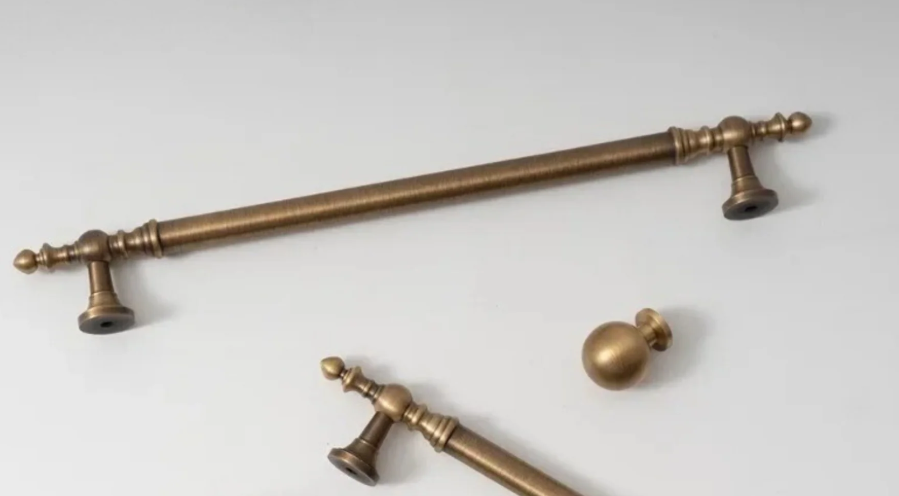
Today’s bathroom handles reflect the wellness and sustainability era. Homeowners favour natural tones, tactile finishes, and high-quality materials that age well—like unlacquered brass or reclaimed timber. Design is purposeful, often leaning toward minimalist Japandi or warm Scandinavian tones. Handles are subtle, solid, and designed to endure.
Material focus: Unlacquered brass, PVD finishes, recycled materials
Design traits: Soft edges, ergonomic comfort, sustainability-conscious design
Looking Ahead
As homes become more personalised and wellness-focused, bathroom door hardware is expected to follow suit. Expect to see more customisation, mixed textures, and smart-home integrations. At Posh UK, we see handles as small details with big impact—crafted not just to function, but to elevate the everyday.
Final Thought
A bathroom handle is more than a utility—it’s a quiet marker of taste, time, and how we choose to live at home. Whether your space leans classic, modern, or spa-inspired, the right handle speaks volumes.
Comments