Interior Design Tips for First-Time Homeowners on a Budget

Introduction: Interior Design Tips
Buying your first home is an exciting time of life. It is also an expensive one.
After covering the deposit, legal fees, moving costs, furniture and the many smaller expenses that come with a property purchase, there may not be much left in the decorating budget. That does not mean your home has to feel unfinished or impersonal.
Creating a stylish and welcoming interior is often about making considered choices rather than spending large amounts of money. A fresh coat of paint, a better furniture layout and a few beautiful details can completely change how a room feels.
Whether you have moved into a new-build property or an older home that needs updating, these budget-friendly interior design tips will help you make the most of your money.
1. Start with a Plan
Fail to prepare or prepare to fail
Before buying furniture or home décor, take time to plan each room.
Begin by measuring the space carefully. Note the dimensions of walls, windows and doorways, as well as the position of radiators, sockets and light fittings. This will help you choose furniture that fits properly and prevent costly mistakes.
It is also worth thinking about how each room will be used. A living room for quiet evenings will need a different layout from one designed for entertaining. A spare bedroom may need to function as a home office, dressing room or occasional guest space.
Next, decide on a simple design direction. You do not need to choose a strict interior style, but it helps to identify the colours, materials and shapes you are naturally drawn to. For example, warm neutrals, natural wood and brushed brass hardware can create a calm and timeless foundation.
A simple mood board can be useful. Collect paint colours, fabric samples, furniture ideas and images of rooms you like. You can create one digitally or use a sheet of paper. The aim is not to create a perfect scheme. It is to visualise how different elements will work together before you spend.
Planning ahead also helps you separate what you need from what you simply like in the moment. This reduces impulse purchases and makes it easier to stay within budget.

2. Focus on One Room at a Time
Many first-time homeowners feel pressure to decorate the entire house immediately. In reality, this can lead to rushed decisions and unnecessary spending.
Instead, focus on one room at a time. Start with the spaces you use most, such as the living room and main bedroom. Once those rooms are comfortable and functional, move on to the kitchen, hallway and other areas.
This approach allows you to spread the cost over several months. It also gives you time to understand how you live in the home. After a few weeks, you may realise that the sofa would work better on another wall, or that a room needs more storage than you first expected.
Begin with the essentials. In the bedroom, this might mean a comfortable mattress, simple curtains and suitable lighting. In the living room, it could be a sofa, side table and floor lamp.
Décor can be added gradually. There is no need to buy artwork, cushions, plants and decorative objects before you know how the room works. Allowing a space to develop slowly often results in a more personal interior.

3. Choose Timeless Colours
A timeless colour will ground your space
Paint is one of the most affordable ways to transform a room. It can make a space feel brighter, warmer, larger or more restful without requiring major building work.
When decorating on a budget, warm neutrals are a practical place to begin. White, cream, beige, taupe and greige create a flexible backdrop that works with a wide range of furniture and accessories.
A neutral scheme does not have to feel plain. Texture is an easy way to add interest. Consider a woven rug, linen-look curtains, a textured throw or a timber side table. Small accents in muted green, terracotta, navy or soft pink can also bring character to the room.
If you would like to use a stronger colour, consider painting one feature wall rather than the entire room. This can introduce depth and personality while keeping the amount of paint required to a minimum.
Always test paint samples in the room before committing. Colours can look very different in morning light, afternoon light and artificial lighting. A small sample pot is a worthwhile expense compared with repainting an entire room.
A timeless colour palette also makes future updates easier. When you want to refresh the room, you can change smaller pieces such as lampshades, cushions and artwork rather than replacing larger items.

Farrow and Ball have some incredibly beautiful colours.
4. Mix Budget Finds with Investment Pieces
Not every item in your home needs to be expensive.
It is worth investing in everyday essentials that receive regular use, such as a comfortable sofa, a supportive mattress or a well-made dining table. These pieces affect how your home feels every day and may be difficult or expensive to replace frequently.
For smaller items, look for affordable alternatives. Cushions, throws, lamps, mirrors and decorative accessories can often be found through independent shops, vintage sellers, charity shops and online marketplaces.
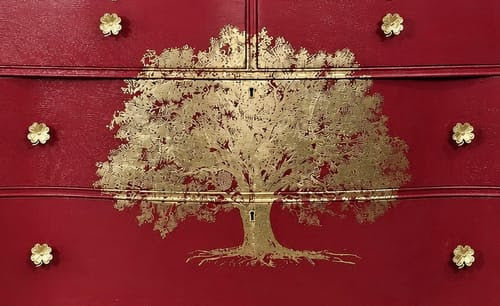
Second-hand furniture can also offer excellent value. A solid wooden chest of drawers may need nothing more than cleaning, new paint or updated hardware. Replacing old drawer pulls with carefully chosen cabinet handles can make a previously dated piece feel considered and individual.
Try shopping your own home before buying something new. A lamp from another room may work better in the sitting room, while a spare mirror could brighten a darker hallway. Rearranging what you already own costs nothing and can reveal new possibilities.
The most successful budget interiors tend to combine different price points. A modestly priced side table can sit comfortably beside a better-quality sofa. A simple kitchen can feel more distinctive with carefully selected hardware. The result is more balanced than a room filled entirely with matching, inexpensive pieces.

"Well… they look beautiful, feel heavy, and the detail is gorgeous! Lovely and well made at a very reasonable price." - Susan
5. Upgrade the Small Details
Some of the biggest improvements come from the smallest changes.
Replacing tired door handles, plain door knobs, kitchen cabinet handles and drawer pulls is a relatively simple way to modernise a home. These details are used every day, so they have both a visual and practical impact.
In the kitchen, changing cabinet hardware can create a noticeable refresh without replacing the cupboard doors. Solid brass cabinet knobs offer a classic look, while brass drawer pulls can add a little more presence to wider drawers and cupboards.
For a softer, contemporary finish, consider brushed brass cabinet knobs, such as Verro. The subtle look of a brushed finish works particularly well with cream, white, olive, navy and natural wood cabinetry.
If you prefer a cleaner look, minimal brass pull handles, such as Luteus, can give drawers and cupboards a simple, understated finish. For something with more character, sculptural designs such as the Auriola scroll-inspired cabinet pulls can become a small focal point.
When choosing new cabinet hardware, measure the existing hole spacing carefully. This is especially important when replacing handles with two screws. Choosing the correct size can help you avoid filling and redrilling the cabinet fronts.
It is also worth ordering a sample before buying a larger quantity. Finishes can appear different depending on the surrounding colours and the natural light in your room.
Do not forget the rest of the home! Coordinating door handles, cabinet hardware and smaller details such as door stops and other door furniture can help create a more complete look over time.


"Excellent product, great quality, and fast delivery!" - Theresa
6. Make the Most of Lighting
Lighting can change the atmosphere of a room, yet it is often overlooked when decorating on a budget.
Start by making the most of natural light. Keep windows clear where possible and use simple curtains that can be drawn fully during the day. Mirrors placed near a window can help reflect light around the room.
Then, layer different types of lighting. An overhead fitting provides general light, while table lamps and floor lamps create a warmer atmosphere in the evening. Even an affordable lamp can feel more considered with a good-quality bulb in a warm white tone.
You do not have to replace every light fitting immediately. Focus on the rooms you use most and make changes gradually. A new pendant light in the dining area or a pair of lamps beside the bed can make a room feel more finished without a major expense.

7. Use Accessories Carefully
Accessories are an affordable way to add colour and personality, but buying too many can quickly use up your budget.
Choose a small number of pieces that serve a purpose or that you genuinely enjoy looking at. A framed print, a plant, a woven basket or a well-placed vase can be enough to bring life to a room.
Textiles are particularly useful because they can be changed easily. A new cushion cover or throw can update a neutral room without requiring new furniture. Rugs can also help define different areas in open-plan spaces.
Plants bring colour and softness to an interior. If you are new to caring for plants, choose low-maintenance varieties or begin with one or two smaller plants rather than buying several at once.


7. Do Not Follow Every Trend
Interior design trends change regularly, but your home should reflect your own style.
Buying into every new trend can become costly, particularly if you soon decide that the look no longer suits your home. Instead, choose timeless furniture, practical layouts and neutral colours as your foundation.
Current trends can still be introduced through smaller accessories. A cushion, vase, lampshade or piece of artwork is easier to replace than a sofa or kitchen.
Classic materials such as timber, ceramic, stone and solid brass also tend to work across different styles. Hardware with a brushed brass or antique brass finish can complement both traditional and contemporary interiors, making it a considered choice for a first home.


Key Takeaways for First-Time Homeowners on a Budget
Being a first-time homeowner on a strict budget does not have to stop you from creating a home you love.
The most useful approach is to:
- Plan each room before buying.
- Set a realistic budget and separate needs from wants.
- Focus on one room at a time.
- Choose timeless colours for your main foundation.
- Mix affordable finds with a few well-made investment pieces.
- Use paint, lighting and textiles for affordable impact.
- Update small details such as door handles, cabinet knobs and drawer pulls.
- Order hardware samples and check measurements before purchasing.
- Avoid following every trend.
- Give your home time to develop.
With a little patience and careful curation, even small changes can make a home feel welcoming, personal and complete. For timeless solid brass hardware and thoughtfully designed details, explore The Boutique Handle Co’s cabinet knobs, pull handles and door hardware.

Hannah
Hi, I’m Hannah! As an interior designer with a self-confessed hardware obsession, I founded The Boutique Handle Co to help homeowners and fellow designers find those perfect, high-quality finishing touches. My blogs are a mix of hardware tips and interior design guidance - combining both of my favourite things!
Elevate your space
Discover our huge range of stylish door knobs and door handles to suit every home now!
Comments