5 Unspoken Interior Design Rules to Transform Your Home

Introduction
Did you know that most interior designers follow an unspoken set of rules that you can implement in your own home?
In this blog post, we are breaking down the five most popular unspoken interior design rules to make your home feel more luxurious, cohesive, and deeply personal.
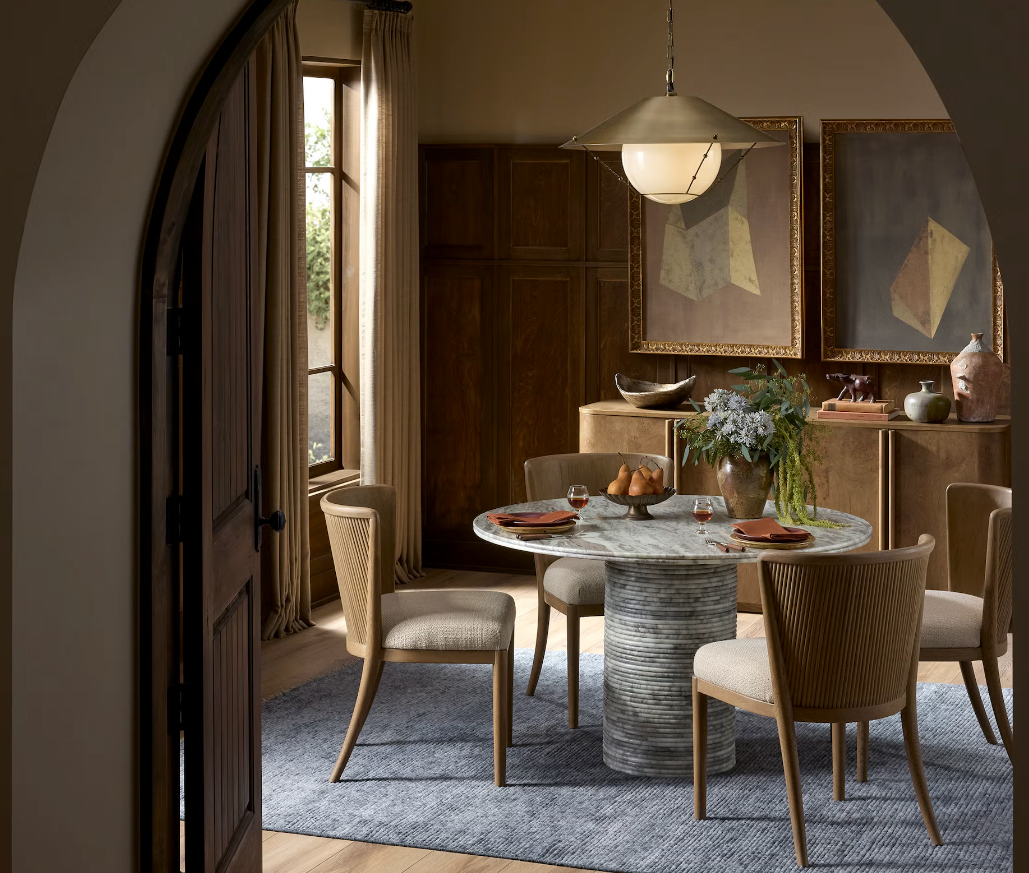
These are not rigid formulas or strict design dogmas. Instead, they are gentle guidelines and foundational principles that help create a well-decorated space that genuinely feels good to live in day after day. Whether you are embarking on a complete home renovation or simply looking to refresh a single room, understanding these subtle concepts can completely shift the atmosphere of your interiors.
Keep reading to find out what they are!
1. Each Room Should Feel Like You
Inject your personality into the room!
One of the biggest giveaways of an inexperienced home is when everything looks like it came from the exact same furniture store showroom on the very same day.
Perfectly matched furniture suites and identical matching sets may seem like a convenient, effortless option when you are in a rush to furnish a new house, but they often make a room feel flat, sterile, and entirely impersonal. They strip away character and leave no room for your personal journey.
The best, most captivating homes tell a story about the people who live in them. They feature a curated mix of vintage finds, travel mementos, contemporary pieces, and items collected over years.
Even the smallest details contribute to this narrative. When you choose hardware for your cabinetry and doors - such as hand-selected solid brass cabinet knobs or beautifully weighted door handles - you are adding micro-layers of personality.
These tactile finishes age gracefully and reflect your personal aesthetic, ensuring your space feels lived-in, authentic, and uniquely yours rather than staged for a catalogue.

2. Lighting Is More Important Than Furniture
People often obsess endlessly over sofas, statement paint colours, and designer coffee tables, yet lighting is almost always what truly determines the mood and ambience of a room.
Most well-designed rooms rely on layered lighting instead of depending on a single, harsh overhead pendant fixture. Relying purely on central ceiling lights can wash out a room and make it feel clinical, no matter how exquisite your furnishings might be.
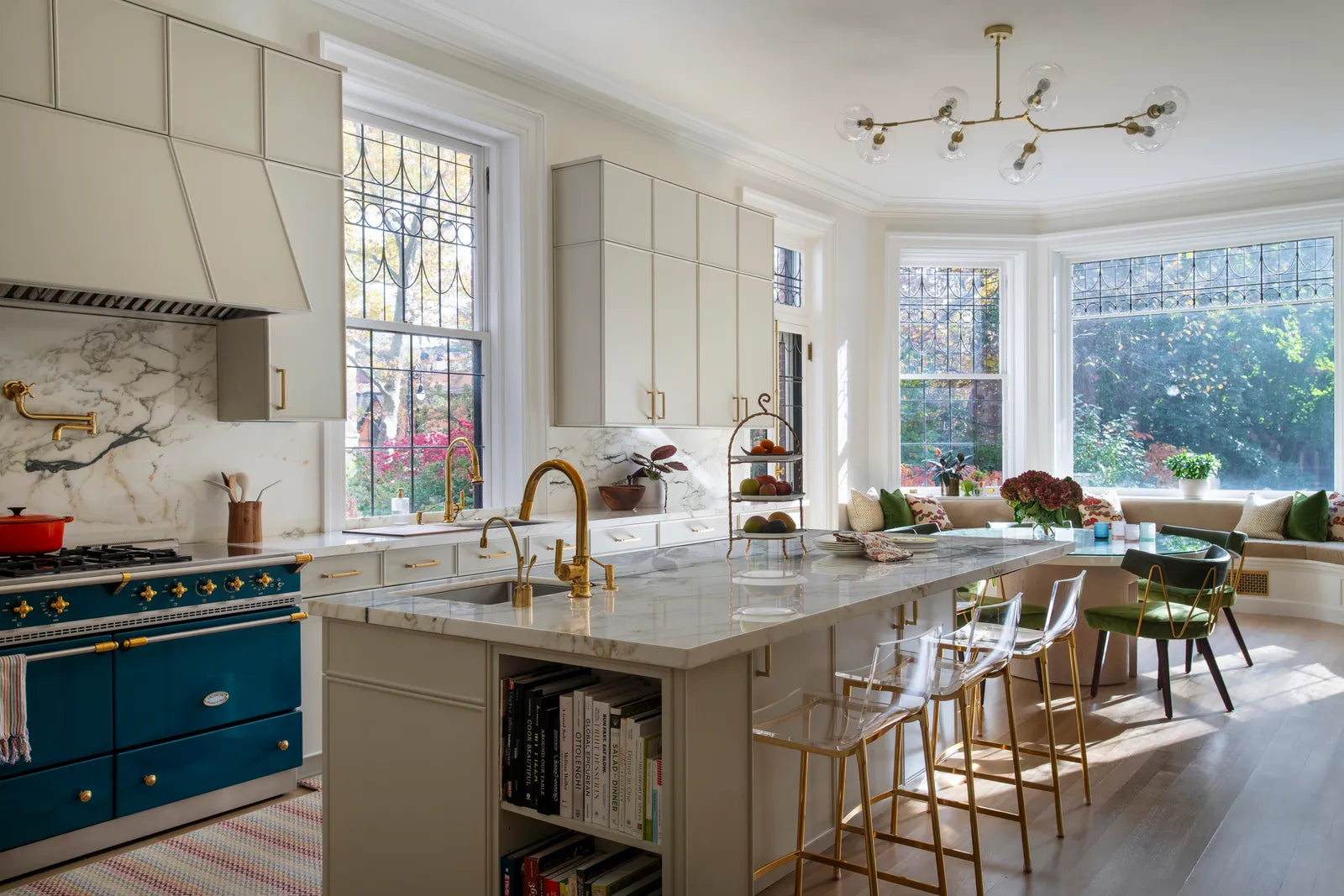
To cultivate a warm, inviting atmosphere, successful interior designers incorporate at least three tiers of light: ambient, task, and accent lighting. This can include warm table lamps tucked into corners, strategically placed wall sconces, dimmable overhead circuits, and the soft, flickering glow of candles.
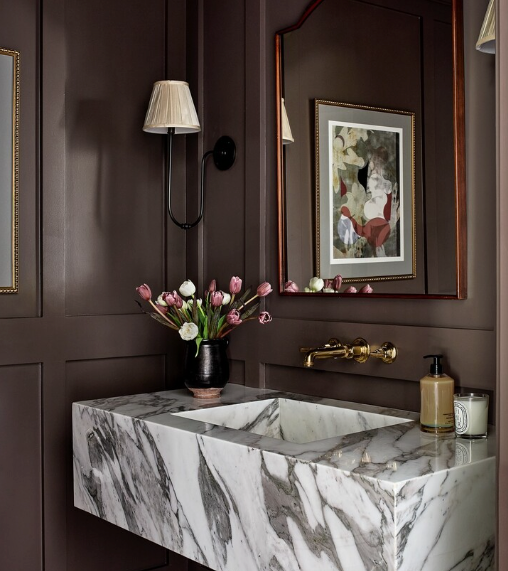
When light bounces off reflective surfaces in a room: such as the subtle sheen of brushed brass architectural hardware or polished cabinet pulls: it creates depth, warmth, and a sophisticated interplay of shadows and highlights that instantly elevates the entire room.

Lighting has the ability to completely transform a room.
3. Every Room Needs Visual Breathing Space
Remember that less is more
Another one of the most effective unspoken interior design rules is simple yet surprisingly difficult for many homeowners to master: do not fill every single corner.
Empty space is not wasted space. In interior design, negative space is a powerful tool. It gives the eye a place to rest and allows your statement pieces to actually breathe and shine.
Luxury interiors rarely feel overcrowded or chaotic because professional designers understand the art of restraint. Over-accessorizing a room can make even the most luxurious items look cluttered and cheap.
Instead of cramming a space with multiple trendy accent pieces that will likely go out of style in a couple of seasons, focus on curation. A single vintage chair paired with a clean wall and a minimalist brass door stop can have far more impact than five competing decorative items. Embracing empty space creates a calm, serene sanctuary where every object feels intentional and valued.

4. Rugs Should Anchor the Room
Few design missteps ruin the visual flow of a room faster than a rug that is simply too small for the space.
It is one of the most common interior design mistakes, and even guests who lack professional design experience can immediately sense when something feels slightly "off." A tiny floating rug in the middle of a large living room makes the space feel disjointed and fractured.
A rug should visually connect and anchor the furniture rather than look awkward or stranded in the centre of the room. As a general rule of thumb, either all furniture legs in a seating arrangement should sit comfortably on top of the rug, or at least the front legs of your sofas and armchairs should rest upon it.
Furthermore, bigger rugs almost always make rooms feel significantly larger and more expansive. They create a defined perimeter for your furniture, grounding the entire layout and establishing a harmonious foundation for your flooring and internal doors.

5. Texture Matters More Than Colour
One of the biggest misconceptions in home decor is that colour palettes are the absolute be-all and end-all of interior design. While colour is certainly important, texture is actually what gives a room true depth, soul, and tactile richness.
Imagine a room composed entirely of smooth, reflective surfaces: glossy lacquer tables, sleek leather seating, highly polished timber floors, and bare plastered walls. While it might look striking in a photograph, in reality, it would feel cold, uninviting, and one-dimensional.
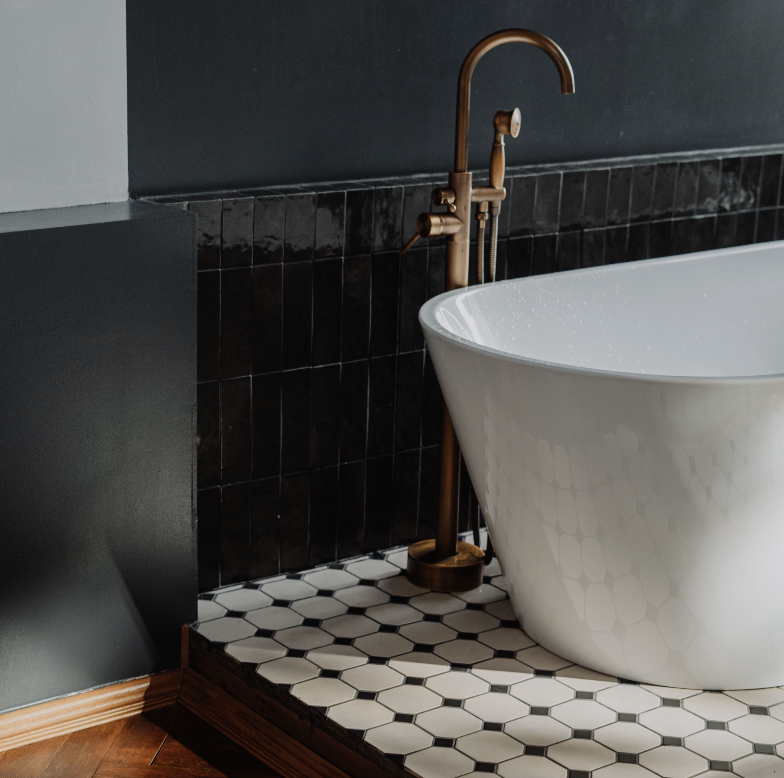
Character is born from contrast. When you introduce a thoughtful blend of tactile elements, such as heavy linen curtains, chunky woven wool throws, rustic natural wood, raw stone, and solid brass hardware, you instantly infuse the space with warmth and dimension.
Touching a knurled brass cabinet pull or feeling the solid weight of a brass door handle engages your senses in a way that colour alone simply cannot achieve.

"They are awesome. Great quality and look. Couldn't be happier. Hannah did a great job keeping us in the loop on the status of the shipment. Fantastic all around." - Keith
Key Takeaways on 5 Unspoken Interior Design Rules
Those are our top five unspoken interior design rules to help you rethink your living spaces.
From ensuring every room reflects your personal story to being intentional with layered lighting, negative space, properly scaled rugs, and rich textures, these gentle guidelines provide a solid framework for creating a cohesive and beautiful home.
That being said, design rules are ultimately meant to be interpreted and sometimes broken. At the heart of it all, your home should be a sanctuary that you genuinely love living in: regardless of whether you follow every single rule in the interior designer playbook.

Hannah
Hi, I’m Hannah! As an interior designer with a self-confessed hardware obsession, I founded The Boutique Handle Co to help homeowners and fellow designers find those perfect, high-quality finishing touches. My blogs are a mix of hardware tips and interior design guidance - combining both of my favourite things!
Elevate your space
Discover our huge range of stylish door knobs and door handles to suit every home now!
Comments